Linen, Design & Care
Coyuchi Decorative Pillow Covers: Texture, Construction, and Care
A decorative pillow cover may be a small detail, but it can change the whole mood of a bed or sofa. With organic linen, the appeal lies in the natural texture as much as the color or shape: a softly rumpled surface, an easy drape, and a material that can grow more supple with use. Understanding how fabric, finishing, construction, and care work together makes it easier to choose a cover that feels at home in your space—and stays useful beyond one season.
Why linen makes a compelling pillow cover
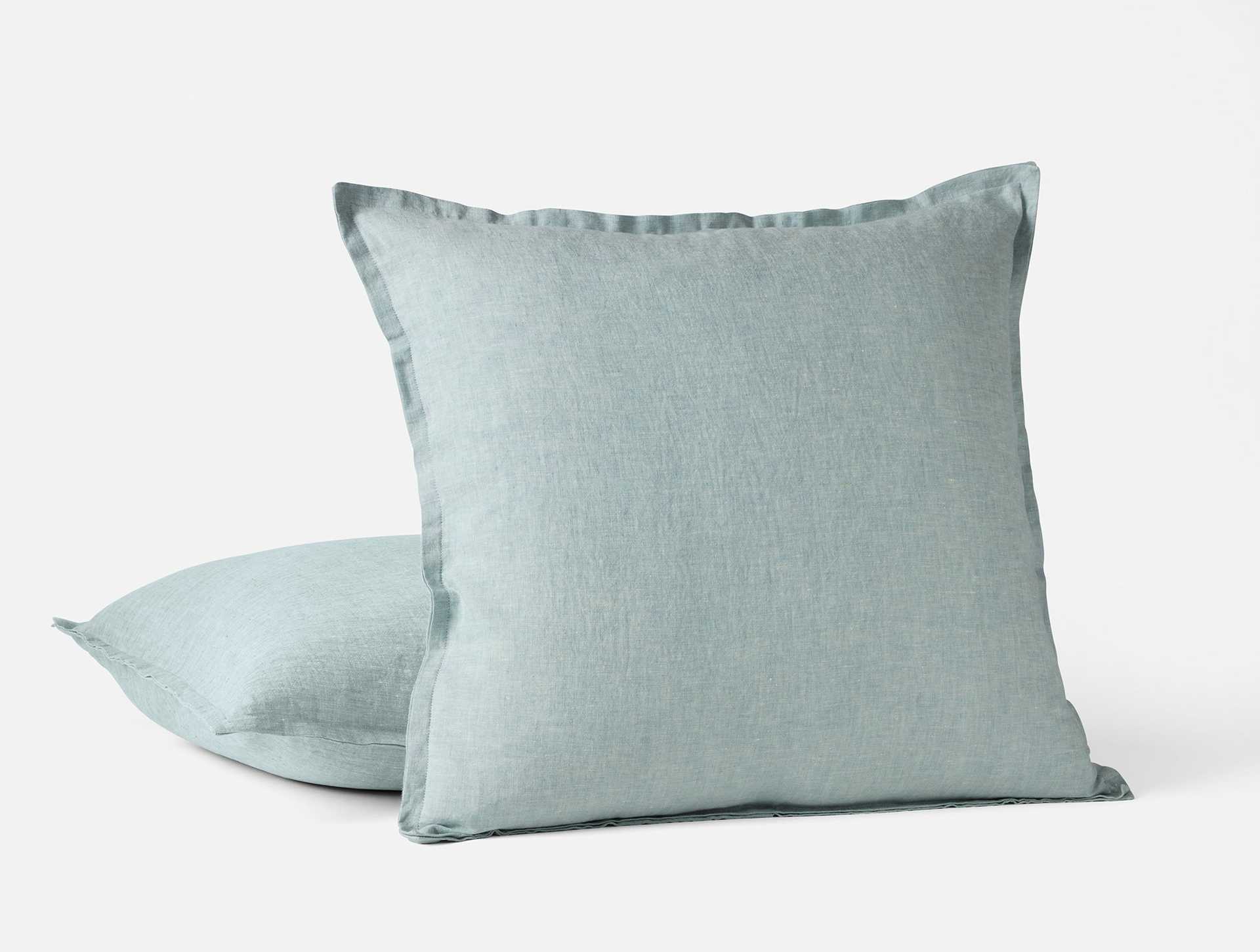
Linen has a distinct presence among home textiles. Made from flax fibers, it tends to show a subtle irregularity in its surface that gives the cloth depth without relying on a printed pattern. Slubs and small variations in the yarn are part of linen’s character, not necessarily flaws. They catch light differently across the fabric, helping a plain pillow cover feel considered rather than stark.
That texture works in many kinds of rooms. In a relaxed bedroom, linen can reinforce an unstudied, layered look. On a sofa, it introduces a tactile note beside smoother upholstery or tightly woven throws. And in a room already filled with pattern, a solid linen cover can provide a quieter pause. Its appeal is less about looking perfectly pressed than about making a space feel comfortable and lived in.
Linen is also valued for its breathability and its ability to manage moisture. A decorative cushion is not used in exactly the same way as a pillowcase, of course, but the fabric’s airy feel still contributes to its everyday character. Linen covers are often chosen for their combination of natural texture, strength, and a relaxed hand that can soften over time.
These are qualities, not guarantees of performance in every home. How a cover feels and wears depends on the yarn, weave, fabric weight, finishing, construction, and how it is used. A pillow on a rarely used guest bed has a different life from one that gets leaned on every evening. Looking at the full picture helps set realistic expectations.
The character of a washed finish
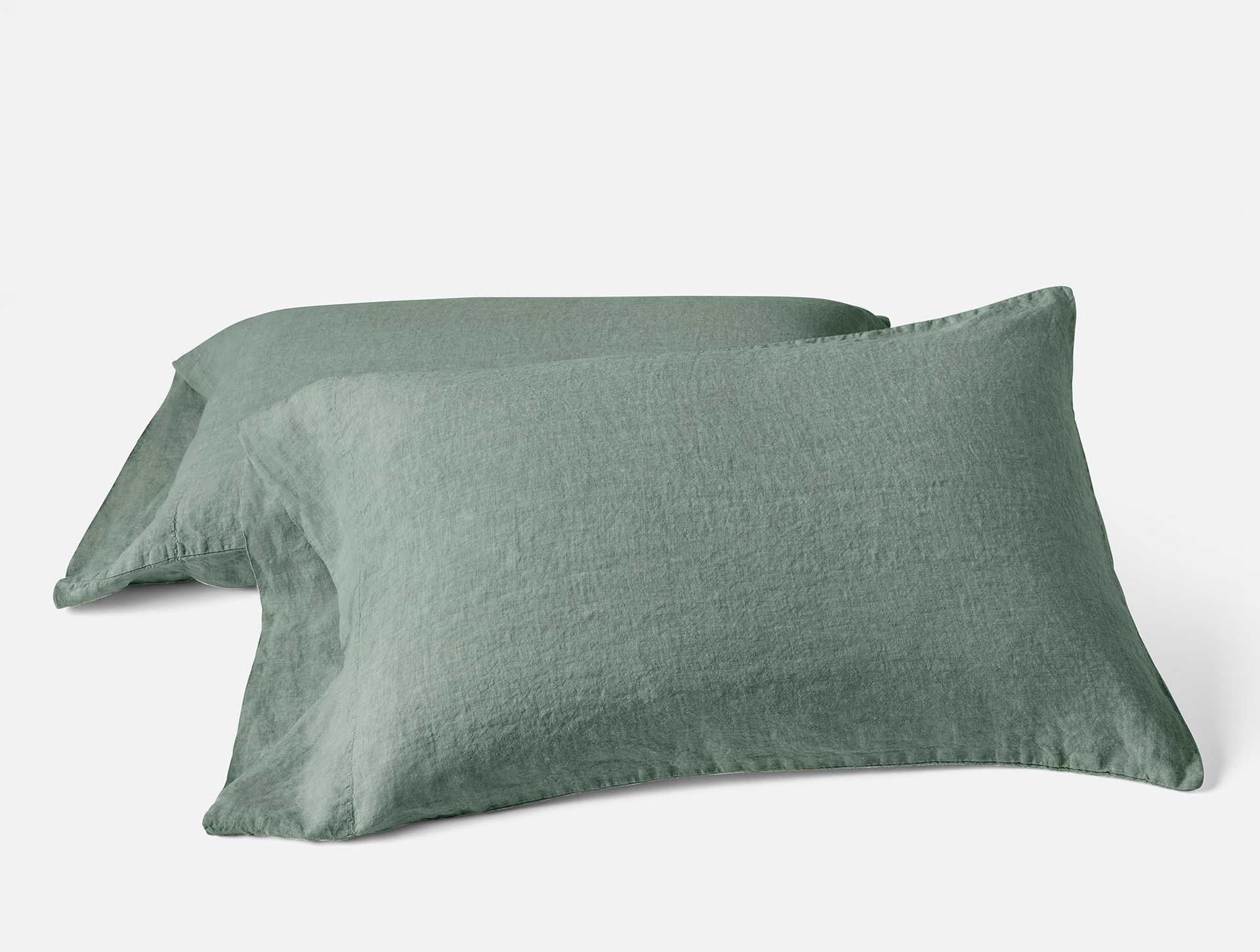
Finishing can shape linen’s first impression. A washed or garment-washed fabric has been treated to create a softer, more relaxed feel than crisp, unfinished linen might have straight from production. On a decorative cover, that finish can give the cloth a gently rippled surface and an easy drape around the insert. It may also make the piece feel less formal from the start.
A washed look is not the same as a fabric that has been damaged or neglected. It is an intentional finish that celebrates a softer, less rigid appearance. The result can suit homes where a pristine, sharply tailored look would feel out of place. It also means that minor creases are part of the visual language: there is usually no need to press every fold flat for the pillow to look finished.
With repeated laundering, linen can become more supple, although the exact change varies by fabric and care routine. That gradual evolution is one reason linen accessories often feel personal over time. A cover may settle into the shape of its insert and develop a familiar softness without losing the distinctive texture that drew you to it in the first place.
For a concrete example, the Coyuchi Organic Relaxed Linen Decorative Pillow Cover is described as 100% organic linen, grown in Europe and woven in Portugal. Its washed finish gives it a relaxed hand, and its product details note that the fabric becomes more supple with washing. The cover is sold individually, with the pillow insert sold separately—two details worth checking before planning a complete pillow arrangement.
Fiber, origin, and what product details can tell you
A label that says “linen” identifies the main fiber, but it does not tell the whole story. It is useful to check whether the cover is made from 100% linen or a blend, where the flax was grown, where the fabric was woven, and whether the maker identifies a finish or certification. These details help explain the material’s origin and construction. They do not, on their own, tell you exactly how a particular cover will feel in your home.
In the Coyuchi cover’s listed details, the linen is described as organic and European-grown, with weaving in Portugal. Organic sourcing can be relevant to readers who want more information about agricultural and textile-production standards. Where a certification is stated, it is sensible to read what that certification covers rather than treating a single label as a complete account of a product’s environmental impact.
Origin is also not a substitute for checking practical features. A well-considered choice includes the fabric composition, how the cover is finished, how it closes, whether an insert is included, and the recommended care. When specifications are limited, avoid filling in the blanks with assumptions. For example, the product description provided for this cover does not specify a closure type, so it is best not to infer one from its appearance or from another cover in the same category.
Fabric weight can be another useful point of comparison when a maker provides it. Weight may influence a textile’s body and drape, but it is only one measure; weave structure and finishing matter too. Decorative covers are generally chosen as much for their look and feel as for their technical specifications, so touch and visual context remain important where in-person assessment is possible.
Construction details that matter in daily use
A pillow cover has a simple job: enclose an insert while allowing the textile to sit neatly and remain manageable. The quality of that experience depends on more than the front panel. Seams, edges, the opening, and the proportions of the cover all influence how it fits and how it behaves when the pillow is picked up, moved, or washed.
Because not every product listing explains its construction in depth, shoppers can use a short checklist. Is the cover sold on its own or as a set? Does it include an insert? What size is it intended for? Is the opening or closure described? What does the care label say? These answers help prevent a common frustration: receiving a beautiful cover only to discover that the insert needs to be sourced separately or that the fit is not what you expected.
Fit deserves special attention. A cover that is too large for its insert can look slack, while one that is too small may strain seams or distort the pillow’s shape. The appropriate insert can depend on the maker’s sizing guidance and the appearance you prefer. A fuller, more structured cushion and a relaxed, softly filled one have different visual effects. Follow the product’s stated dimensions where available, and avoid assuming that every cover size fits every insert marketed at the same nominal measurement.
Stitching and edge finishes can also shape the overall impression. A clean, simple edge keeps attention on the linen’s surface; a decorative finish adds a more tailored note. On a cover intended to coordinate with bedding, subtle construction details may help it feel connected to the room without making it match too literally. For a sofa or reading chair, contrast in scale or texture can keep the arrangement from feeling overly coordinated.
Above all, construction should support the way the cover will be used. A cushion placed on a bed as a finishing accent may need little handling. One used daily in a living room will be moved more often and may need more frequent cleaning. Thinking about use before choosing a style makes the practical details easier to weigh.
Coordinating covers with bedding and furnishings
The easiest way to create a cohesive room is not necessarily to make every textile identical. Instead, consider a palette, a mix of surfaces, and the scale of each piece. Linen’s natural texture can sit comfortably beside smoother cotton sheets, a quilted coverlet, a knit throw, or upholstery with a different weave. Repeating one color family can tie those textures together while leaving enough variation to make the arrangement feel collected.
Color is one place to begin, but light matters too. A pale linen cover can read warmer or cooler depending on the surrounding fabrics and the room’s illumination. Blues and greens may feel calm beside natural neutrals; a deeper shade can add contrast to light bedding without overwhelming it. If you are choosing a color online, remember that screen settings and ambient light can affect how a shade appears. When possible, compare it with the textiles already in the room under the light where it will be used.
Think about proportion when combining decorative pillows. A larger square cover can anchor a group, while a different shape can break up a row of similar cushions. If the cover is intended for a bed, consider how many pillows you will realistically remove and put back each day. A beautiful display should still work with the way the room is used.
Texture can do more of the work than pattern. A washed linen pillow cover beside smooth bedding creates contrast without introducing another print. Alternatively, a striped or patterned fabric can be balanced with a solid cover that echoes one of its colors. The aim is not to follow a rigid formula; it is to give the eye a few points of interest and a place to rest.
It also helps to consider the room beyond the bed. A decorative cover can move between a bedroom, reading nook, or sofa if its dimensions and colors suit more than one setting. That flexibility is one practical benefit of choosing an enduring material and a design that does not rely on a short-lived trend.
A careful approach to linen care
Care labels should lead. Linen covers can differ in dyes, finishes, stitching, and other construction details, so a general rule cannot replace instructions for the specific item. For the Coyuchi decorative cover discussed here, the listed guidance is to machine wash cold on a gentle cycle with like colors, tumble dry low, and use a warm iron if desired. The product information also states that the insert is sold separately; remove the cover from its insert before laundering.
Washing with like colors helps reduce the chance of color transfer, especially when new textiles are mixed with lighter pieces. A gentle cycle limits unnecessary agitation, while low heat is a more cautious choice than high-temperature drying. Removing the cover promptly can help avoid deep creasing. If the care tag provides different or more specific directions, follow the tag rather than relying on a product summary.
Before washing, check for the care label and inspect seams, closures, and any visible marks. Addressing a stain promptly is often helpful, but the right treatment depends on the stain and the textile’s dye and finish. Test any cleaning method on an inconspicuous area if the manufacturer’s guidance permits it, and avoid harsh chemicals or aggressive scrubbing unless the care instructions specifically support them. When the material’s response is uncertain, seek professional textile-care advice rather than risking the fabric.
Ironing is optional. Linen’s natural creases are part of its appeal, and a relaxed cover does not need to look perfectly smooth. If you prefer a neater finish, the product guidance permits warm ironing. Use the care label as your reference and be attentive to the fabric as you work. A gentle press can tidy the surface while retaining some of the character that makes washed linen distinctive.
Between washes, ordinary upkeep is simple: give the cover a light shake, smooth it back over the insert, and keep it away from prolonged direct sunlight if fading is a concern. For seasonal storage, make sure the textile is clean and fully dry, then place it in a dry, ventilated space. Avoid storing linen while damp, since moisture can encourage unwanted odors or damage.
A more thoughtful way to choose
Decorative pillow covers are small enough to seem like an easy finishing touch, yet the best choice balances several considerations. Start with the purpose: will the cover mostly complete a bed, or will it be handled daily on a sofa? Then look at fiber content, finish, origin information, size, insert requirements, construction notes, and care. A shade or texture may catch your eye first, but those practical details determine whether the cover will fit the room and the routine.
It is equally useful to think about longevity. A timeless color, a versatile shape, and a material you are comfortable caring for are more likely to remain in rotation than an item selected only for a passing trend. Linen’s evolving softness can be part of that appeal: rather than requiring a permanently crisp surface, it can accommodate the marks of ordinary use while retaining its distinctive character.
That does not mean every linen cover is automatically the right choice for every household. Consider pets, frequent spills, children, sunlight, and how much maintenance you are willing to do. A decorative textile should make a space feel more inviting, not become a source of stress. Realistic expectations help the fabric look good for longer and make care easier to manage.
The quiet impact of a well-chosen cover
A decorative pillow cover rarely transforms a room all by itself. Its effect is subtler: a little more depth against smooth sheets, a softer note beside structured furniture, or a natural surface that makes a carefully arranged space feel less formal. Linen is especially suited to that role because its texture brings visual interest without demanding attention.
Looking closely at a cover’s construction and care is part of appreciating its design. The washed finish, woven fabric, size, insert requirements, and laundering instructions all shape how it will look and work in daily life. When those details align with the room and the way it is used, a simple linen cover can become more than an accent. It can be a comfortable, adaptable textile that earns its place through repeated use.