Materials • Bedding • Linen
What 185 GSM Means for Naturepedic Organic Sheets
A fabric-weight number can make sheet shopping feel reassuringly scientific. But 185 GSM is a clue, not a comfort score: to understand what Naturepedic’s organic linen sheets may feel like, consider the weight alongside the fiber, weave, finish, fit and care instructions.
There is a lot to take in when comparing sheets. Fiber names, certifications, pocket depths and care labels all compete for attention, and then there is GSM. Short for grams per square meter, it sounds like a straightforward way to sort fabrics. One number, one comparison, problem solved.
Not quite. Naturepedic lists its organic linen sheets at 185 GSM, a useful specification for understanding the fabric’s mass per unit of area. It does not, by itself, tell you whether a sheet will feel soft, cool, crisp, heavy or just right. Those impressions come from several parts of the fabric working together, including the linen fiber, the weave and any finishing treatments.
Think of 185 GSM as one piece of a larger picture rather than a verdict. Here’s what the number means, how to read it sensibly and which other details can help you decide whether a set suits your preferences.
First, what does GSM actually measure?
GSM means grams per square meter. It describes the weight of a square meter of fabric. The measurement is used across textiles, from clothing and towels to bedding, because it gives shoppers and makers a common way to describe fabric mass.
For sheets, a GSM figure can offer a broad indication of how much material is present in a given area. A higher number means more grams in that square meter; a lower number means fewer. But it is important not to leap from “more grams” to “better,” or from “less” to “lighter-feeling.” Weight is only one property of a textile, and it does not translate neatly into a single sensation against the skin.
For example, two fabrics can have the same GSM but differ in fiber, yarn, weave, density and finish. They may drape differently, feel different in the hand or respond differently to washing. Even within one fiber family, construction details matter. A linen fabric and a cotton fabric at the same stated weight should not automatically be expected to feel alike.
GSM is therefore best used as a comparison point among products whose other specifications are also clear. It gives context; it does not replace touching a fabric when possible, reading the full product description or thinking about how you sleep.
How to interpret 185 GSM for Naturepedic organic sheets
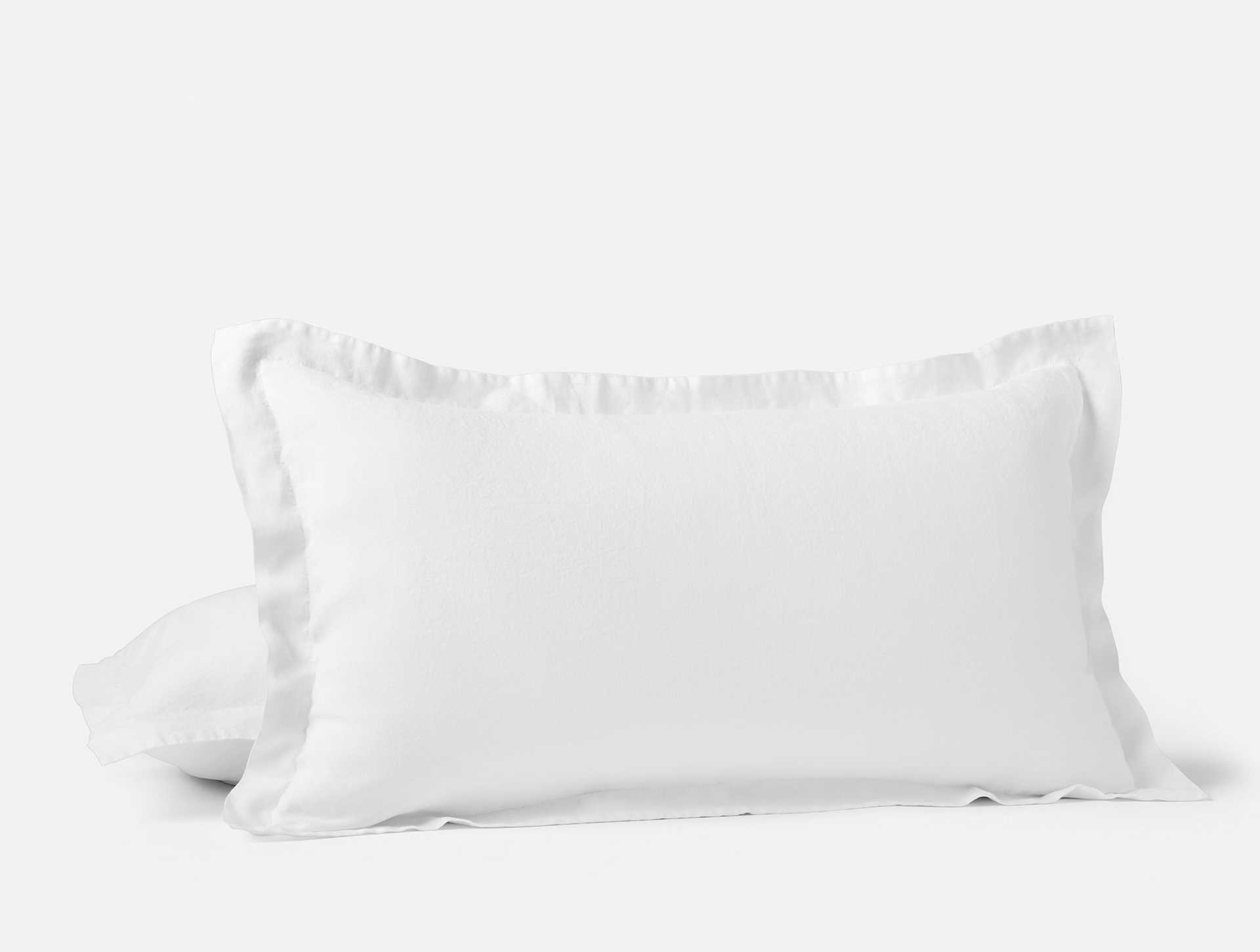
Naturepedic describes its organic linen sheets as made from 185 GSM, GOTS-certified organic flax linen. The sheets are stone-washed, and the product details describe the fabric as breathable, with a texture that balances strength and softness. Those specifications help create a more complete picture than the number alone.
At 185 GSM, the figure tells you the listed fabric weight, not a guaranteed level of warmth or softness. The product description’s “weighty yet breathable” characterization is a useful reminder that those qualities can coexist: fabric can have a substantial hand while still allowing air to move through its structure. Whether that balance feels ideal is personal, and room temperature, sleepwear and individual comfort preferences also play a part.
For shoppers comparing Naturepedic organic linen sheets, the number is most useful when read with the rest of the specifications. The set is listed in 185 GSM certified organic flax linen, with sizes including Queen, King and California King. Its fitted sheet has a 15-inch pocket. The care information says to machine wash warm, tumble dry low, warm iron if desired and avoid bleach.
These details are practical, not decorative. Fabric weight may help you assess the general character of the material; size and pocket depth help establish whether the fitted sheet is appropriate for your mattress; and care instructions tell you how the manufacturer recommends maintaining it.
Why weight is not a comfort rating
When a number appears beside a bedding product, it can be tempting to treat it like a grade. GSM is not a score that ranks sheets from uncomfortable to luxurious. It measures weight, and several other factors influence what you experience at bedtime.
Fiber affects the feel
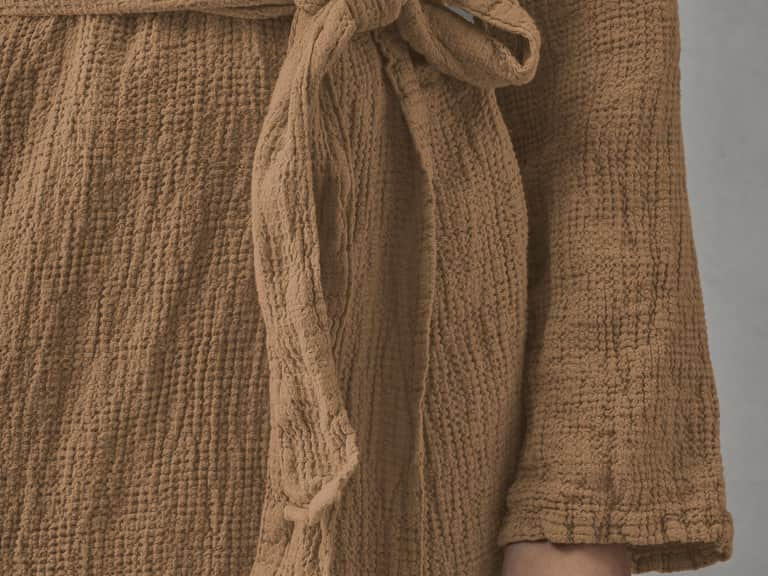
Linen is made from flax fibers. Linen fabric has its own characteristic texture and can feel different from cotton, even when both are used for sheets. The fiber itself, the way it is spun into yarn and the way the yarn is woven all help shape the final textile. A GSM figure cannot tell you everything about those differences.
Weave influences airflow and drape
Weave describes how yarns cross one another to form fabric. The arrangement and spacing of the yarns can influence texture, flexibility and air movement. A relatively open construction and a tighter construction may behave differently, even if their fabrics share a similar weight. That is one reason that fiber and weave should be considered together rather than reduced to one number.
Finishing can change the hand
Finishing takes place after or during fabric production and can affect the way a textile feels and looks. Naturepedic describes its sheets as stone-washed. The listed finish is part of the fabric’s story: it helps explain why a sheet’s hand cannot be predicted from GSM alone. If a product description mentions washing or another finish, treat that information as a meaningful specification, not a minor footnote.
Construction and use matter, too
Bed size, mattress depth, elastic, seams and laundering habits all influence everyday satisfaction. A beautifully chosen fabric will not feel like the right choice if the fitted sheet does not fit your mattress well. Likewise, a sheet that suits one sleeper’s preference may feel too textured, too substantial or not substantial enough to someone else.
GSM and thread count are not interchangeable
Thread count is another familiar bedding specification, but it measures something different. In general terms, it refers to the number of threads within a defined area of fabric, according to the way the count is stated. GSM measures the weight of a defined area. Neither number is a stand-alone guarantee of quality or comfort.
That distinction matters when comparing sheets made from different fibers. Linen is often discussed in terms of fiber, weight and weave, while shoppers may be accustomed to seeing thread-count claims on cotton bedding. A thread-count figure cannot be converted directly into GSM, and a GSM figure cannot tell you what a thread-count label would say.
Instead of looking for a single magic measurement, gather the useful details that are available: fiber content, fabric weight, weave or construction notes, finish, certification, dimensions and care instructions. This gives you a more grounded basis for comparison—and makes it easier to spot when product listings are offering a number without enough context to interpret it.
A practical way to compare sheet fabric weight
Use GSM as a supporting detail, not the first and last word. When considering two sets, check that you are comparing like with like. A weight figure is more useful when the fiber and product type are also clear; comparing a linen sheet with a different textile and treating weight as the only deciding factor can lead to misleading conclusions.
- Confirm the material. Look for a clear fiber description, such as linen or organic flax linen, rather than relying on a broad label like “natural.”
- Read the construction notes. Check for information about weave or fabric character when it is provided.
- Notice the finish. Stone-washed, garment-washed and other finish descriptions may help explain the listed hand or appearance.
- Check the dimensions. Confirm the mattress size and fitted-sheet pocket depth against your own bed.
- Read care directions before buying. Consider whether the recommended washing and drying routine works for your household.
- Match the specifications to your preferences. Think about whether you prefer a more textured, relaxed feel or a smoother surface, and remember that those preferences are individual.
If you have the opportunity to handle a fabric sample, do so. A number can describe mass; your hand can tell you whether the texture appeals to you. If sampling is not available, use the product details to build an informed expectation while leaving room for personal preference.
What organic certification tells you—and what it doesn’t
Naturepedic lists its linen sheets as GOTS-certified organic. Certification is a separate consideration from GSM: it does not describe fabric weight, and a weight figure does not establish organic status. Each specification answers a different question.
When a textile carries an organic certification, the best practice is to read the certification claim in the context of the product’s stated details. The Naturepedic description identifies the sheets as GOTS-certified and says the flax is grown in France. It also states that the sheets are made in India in a GOTS-certified organic facility. These origin and certification details describe sourcing and production information; they do not change what 185 GSM measures.
This separation keeps comparisons clear. If you care about fabric mass, look at GSM. If you are evaluating fiber and sourcing, read the material and origin information. If you want to understand how to care for the set, follow its care label. No single specification can do all three jobs.
Care can shape how sheets feel over time
Care instructions are part of the buying decision because laundering is how sheets become part of daily life. For the Naturepedic organic linen sheets, the listed directions are machine washing warm, tumble drying on low, warm ironing if desired and no bleach. Following the product’s own guidance is a sensible way to care for the fabric.
It is easy to assume every linen item should be washed in exactly the same way, but care directions can vary by product and finish. The safest reference is the label or manufacturer guidance for the specific set in question. Avoid substituting a general rule from another linen product for instructions that are provided for your sheets.
Linen bedding is often described as softening with washing, and Naturepedic says its sheets feel softer and more luxurious with every wash. That is a product description, not a promise that every person will experience the fabric in the same way. The way sheets feel after laundering can depend on routine, water, drying conditions and personal expectations. A warm wash and low tumble setting, as listed, give you a clear starting point for this particular set.
When comparing sheet fabric weight, remember that the label describes a specification—not a prediction of how a fabric will change after months of use. Care, wear and the material’s construction all belong in the long-term picture.
Questions shoppers often ask about 185 GSM sheets
Does 185 GSM mean the sheets are heavy?
It means the listed fabric weighs 185 grams per square meter. Whether the sheets feel heavy to you is a separate question. Drape, weave, fiber and finish all contribute to how fabric feels in use, and individual preferences differ.
Does a higher GSM always mean better sheets?
No. GSM describes weight, not an overall quality grade. A higher figure is not automatically a sign of greater comfort, better construction or a better match for your needs. Look at the full specification and consider how you want the sheets to feel and function.
Can I compare 185 GSM linen directly with cotton sheets?
You can compare the stated weights as measurements, but the numbers do not tell the whole story about how the fabrics will feel. Linen and cotton differ as fibers, and construction and finishing can vary between products. Compare material, weave, finish and care along with the weight.
Does GSM tell me whether sheets will keep me cool?
Not on its own. Airflow and the feel of a sheet depend on more than weight, and room conditions and personal comfort also matter. Naturepedic describes its linen sheets as breathable and temperature-adaptive, but GSM alone cannot promise a particular sleep experience.
Is 185 GSM the same as thread count?
No. GSM measures fabric weight by area. Thread count is a separate measurement relating to threads in a given area. The two specifications cannot be used interchangeably.
The takeaway: treat the number as a starting point
For Naturepedic organic sheets, 185 GSM provides a concrete description of fabric weight. It becomes more useful when paired with the rest of the product details: organic flax linen, a stone-washed finish, the listed sizes and pocket depth, and the maker’s care directions. Together, those particulars paint a fuller picture than a number could on its own.
So, as you compare organic bedding, resist the urge to hunt for a perfect GSM. Ask what the fabric is made from, how it is constructed and finished, how it fits your mattress, and how you will care for it. Then use the weight as one helpful clue in a more thoughtful decision.